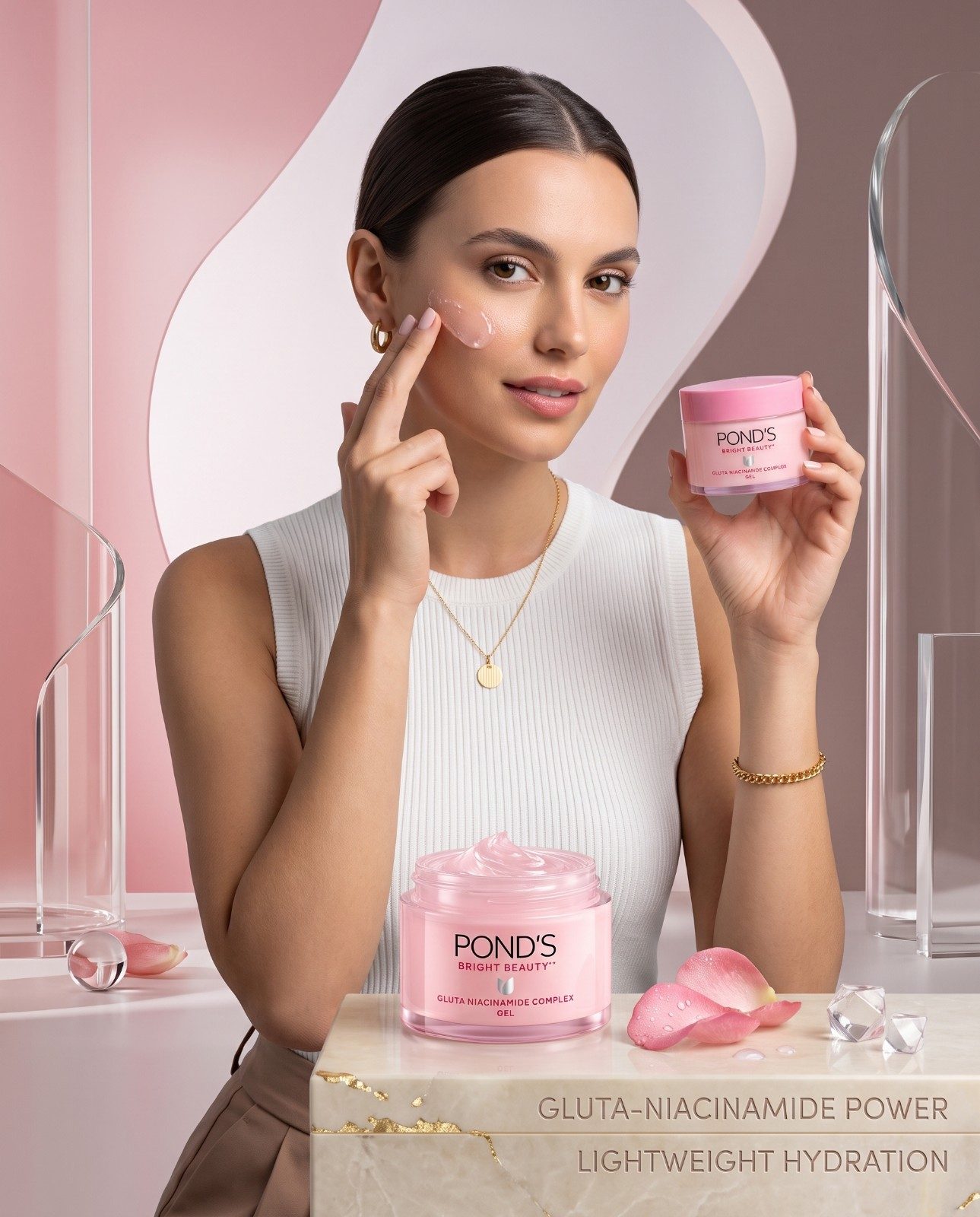
Prompt
Create an ultra-photorealistic premium commercial advertising photograph using the supplied **PRODUCT REFERENCE IMAGE** as the primary source of truth.
## PRODUCT CONSISTENCY LOCK — HIGHEST PRIORITY
Use the supplied original product image as the **EXACT PRODUCT REFERENCE**.
Recreate the same physical product shown in the uploaded reference with maximum visual consistency.
Preserve exactly:
* Product shape and dimensions
* Packaging proportions and geometry
* Cap, lid, pump, nozzle or closure
* Logo and branding
* Label placement
* Typography and readable wording
* Product color
* Material and finish
* Transparency / translucency
* Surface texture
* Seams and packaging details
* Overall visual identity
**DO NOT redesign the product. DO NOT replace the packaging. DO NOT change its shape, color, branding or proportions. DO NOT invent packaging elements. DO NOT remove or add text.**
The uploaded product must remain the **hero product** and must look like the same real physical product professionally photographed in a studio.
## PRODUCT-BASED CREATIVE DIRECTION
Analyze the uploaded product and automatically create a creative concept that is **directly related to that specific product**.
The styling, environment, props, model styling, clothing, makeup, colors, textures and overall mood must be intelligently selected based on:
* Product category
* Product colors
* Packaging design
* Brand personality
* Product ingredients or visual concept, when identifiable
* Product texture
* Target audience
* Luxury / minimal / playful / elegant / fresh / premium character of the product
**Do not use fixed props or colors from this example unless they naturally belong to the uploaded product.**
For example, if the uploaded product is:
* Skincare → use elegant skincare textures, botanical elements, cream/gel details or beauty-studio styling
* Lip care → use glossy lip textures, soft beauty elements and subtle candy/fruit-inspired details
* Perfume → use flowers, fragrance ingredients, elegant fabric, glass, smoke or luxury materials
* Haircare → use silky textures, botanical ingredients, water or hair-related styling
* Makeup → use beauty tools, cosmetic textures and sophisticated vanity styling
* Food/beverage → use realistic ingredients and serving elements related to the product
* Fashion/accessories → create an environment and model styling matching the product's aesthetic
* Technology → use modern architectural surfaces, controlled reflections and contemporary styling
The final scene must feel **specifically designed for the uploaded product**, not like a generic template.
## MODEL & PRODUCT INTERACTION
Include an elegant, attractive young adult model whose appearance and styling naturally complement the uploaded product.
The model should interact naturally with the product, for example:
* Holding the product beside the face
* Presenting it toward the camera
* Holding it naturally at chest/shoulder level
* Applying or demonstrating the product when appropriate
* Looking toward the product or camera naturally
Choose the interaction based on the **type and physical form of the uploaded product**.
The model's clothing, hairstyle and makeup should be selected to complement the product's own visual identity.
Avoid styling that competes with the packaging.
The product must remain clearly visible and recognizable.
## COMPOSITION
Vertical **4:5 portrait composition**.
Create a premium beauty/lifestyle advertising composition.
The model and product should be the two strongest visual focal points.
Position the product so that:
* It is clearly visible
* The front/important branding faces the camera whenever physically possible
* The label remains unobstructed
* The product is large enough to identify
* Hands and fingers do not cover important branding
Use natural depth between foreground, model/product and background.
Composition should feel intentional, balanced and suitable for a premium social-media advertising campaign.
## BACKGROUND & SET
Create a sophisticated studio environment specifically matched to the uploaded product.
Automatically derive the main background color palette from the product packaging and branding.
Use subtle elements such as:
* Elegant architectural forms
* Soft gradients
* Premium tabletop/surfaces
* Glass or acrylic elements
* Product-related ingredients
* Relevant textures
* Minimal decorative props
* Soft environmental shadows
Keep the set clean and luxurious.
**No random props. Every visible styling element should have a logical relationship with the product.**
## LIGHTING
Use professional high-end commercial advertising lighting.
Large soft key light from an appropriate direction, gentle fill light and subtle separation/backlight.
Create:
* Natural skin highlights
* Realistic skin texture
* Controlled product reflections
* Accurate material response
* Soft contact shadows
* Subtle rim lighting
* Realistic highlights and reflections
* Natural depth and dimensionality
Lighting should be customized to the material of the uploaded product.
Glossy products should have controlled specular highlights.
Matte products should have soft diffused reflections.
Glass or translucent products should show realistic transparency and internal light behavior.
Metallic products should have physically accurate reflections.
## CAMERA LOOK
High-end commercial photography captured on a professional full-frame camera.
Approximately **85mm portrait/product lens**, natural perspective, f/2.8 look, shallow but controlled depth of field.
The product label and important product details must remain sharp and readable.
The model's face should also remain naturally sharp.
Background should gradually fall into a soft realistic blur.
Avoid excessive artificial bokeh.
## REALISM
Maximum photorealism.
The image must look like an actual professional advertising photograph, **not AI-generated artwork or a 3D render**.
Ensure:
* Natural human anatomy
* Realistic hands and fingers
* Correct finger count
* Natural facial proportions
* Authentic hair strands
* Realistic skin pores and fine texture
* Natural fabric texture
* Physically accurate product materials
* Realistic reflections
* Correct shadows
* Correct perspective
* Believable product scale
* Realistic contact between hands and product
Avoid plastic-looking skin, distorted hands, warped packaging, fake reflections, floating objects or artificial CGI appearance.
## COLOR DIRECTION
Build the entire color palette around the **uploaded product's actual colors**.
Do not force a predefined pink, purple, blue or any other palette.
The product's original color must remain accurate.
Use complementary colors in the:
* Background
* Model's clothing
* Makeup
* Props
* Surface
* Lighting
Create a sophisticated monochromatic or complementary palette that makes the product stand out.
## BRAND & LABEL ACCURACY
The product's existing logo, label, typography and readable text must remain visually faithful to the reference.
Do not generate alternative branding.
Do not replace letters.
Do not create fake logos.
Do not invent product claims or additional text.
## FINAL CREATIVE RESULT
The final image should feel like a **custom-made luxury advertising campaign created specifically for the uploaded product**.
It should combine:
**Exact Product + Relevant Model + Product-Specific Theme + Premium Set Design + Professional Lighting + Photorealistic Materials + Commercial Beauty Photography**
The uploaded product is always the **source of truth**.
Everything else — model styling, outfit, background, props, colors, textures, lighting mood and environment — should automatically adapt to the product.
### OUTPUT
**1080 × 1350 px**
**4:5 vertical**
Ultra-detailed
Ultra-photorealistic
Premium commercial advertising quality
Luxury brand campaign aesthetic
Professional beauty/product photography
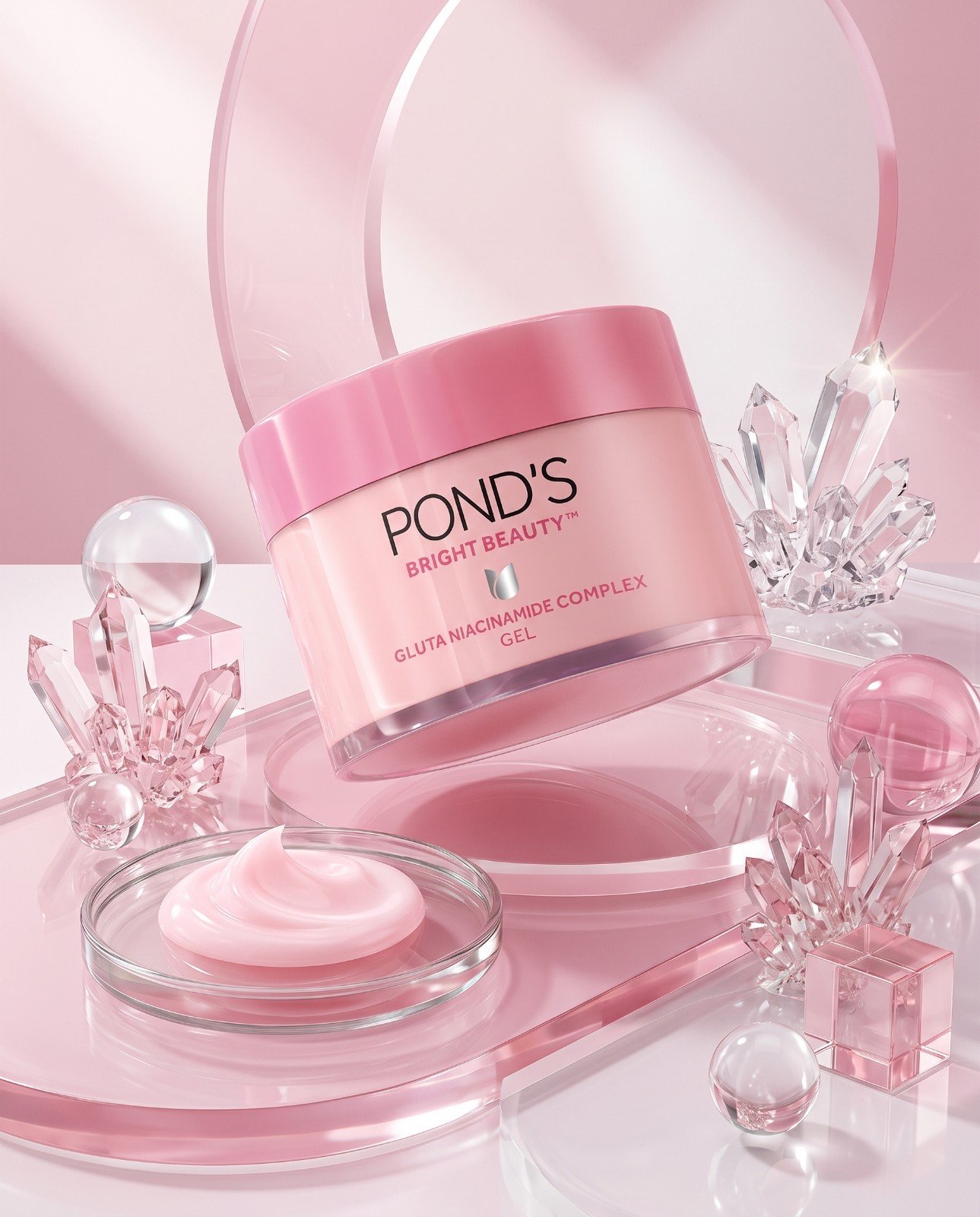
Prompt
Use the supplied original product image as the **PRIMARY PRODUCT REFERENCE** and recreate the exact same product shown in the reference image.
### PRODUCT CONSISTENCY LOCK — HIGHEST PRIORITY
Use the uploaded product as the exact visual reference. Preserve:
* Exact product shape, dimensions and proportions
* Exact packaging structure and geometry
* Exact cap/lid/pump/nozzle or closure design
* Exact label placement and typography
* Exact logo, branding and readable text
* Exact product colors and color relationships
* Exact material, finish and surface appearance
* Any visible texture, transparency, gradients, seams or packaging details
* Exact overall visual identity of the product
**Do not redesign, simplify, replace, modify or reinterpret the product.**
Do not invent packaging elements, change the branding, alter the label, remove existing text, add random text, change the product color, or change its proportions.
The final product must look like the **same real physical product photographed professionally**, not like a redesigned CGI version.
### PRODUCT-RELATED CREATIVE DIRECTION
Create a premium commercial advertising scene inspired specifically by the **uploaded product and its category**.
Analyze the product's:
* Product category
* Main colors
* Packaging material
* Brand personality
* Ingredients or product concept, when visually identifiable
* Texture and physical characteristics
* Target audience
* Overall luxury / playful / elegant / fresh / minimal aesthetic
Then create a **visually relevant environment and styling theme that naturally belongs to this exact product**.
All decorative elements, props, textures, shapes and colors must be **related to the product itself**.
For example:
* Skincare → cream, serum texture, botanical elements, soft cosmetic surfaces
* Lip products → glossy lip texture, soft beauty elements, subtle fruit/candy inspiration
* Perfume → elegant fragrance ingredients, flowers, smoke, glass, luxury materials
* Haircare → botanical ingredients, silky textures, water or hair-related elements
* Food/beverage → relevant ingredients, realistic food textures and serving elements
* Technology → modern materials, controlled reflections, futuristic architectural styling
**Do not blindly copy example props from another product.**
Choose props that make sense specifically for the uploaded product.
### COMPOSITION
Create a premium product advertising composition with the product as the **clear hero subject**.
Place the product prominently in the center or slightly above the visual midpoint.
Keep the packaging fully visible and ensure the logo and important label information remain unobstructed.
Use supporting props around the product to create depth and storytelling without competing with the hero product.
Use:
* Foreground elements for depth
* Midground product placement
* Soft background elements for atmosphere
* Balanced negative space
* Elegant visual hierarchy
Vertical **4:5 composition**, optimized for premium social-media advertising.
### BACKGROUND & COLOR PALETTE
Build the background specifically around the uploaded product.
Use a sophisticated color palette derived from the product's own packaging, branding and visual identity.
The environment should complement the product rather than overpower it.
Create subtle:
* Architectural forms
* Curved surfaces
* Acrylic or glass elements
* Soft gradients
* Product-related textures
* Minimal decorative shapes
* Natural environmental details
Maintain a cohesive premium commercial aesthetic.
### LIGHTING
Use bright, soft, high-end studio lighting appropriate for the product category.
Main light from the upper-left or another flattering professional product-photography direction.
Create:
* Natural highlights
* Soft but defined contact shadows
* Realistic reflections
* Subtle rim lighting
* Accurate material response
* Realistic transparency/translucency where applicable
* Controlled specular highlights
* Premium commercial contrast
Lighting must make the actual packaging materials look physically believable.
### CAMERA & PHOTOGRAPHY
Professional high-end product photography.
Use approximately **70–100mm product-photography perspective** with natural proportions and minimal distortion.
Moderately shallow depth of field.
The hero product and its label must remain extremely sharp and readable, while the background gradually becomes softer.
Natural premium commercial photography — not an artificial 3D render.
### REALISM
Maximum photorealism.
The product must look like a real professionally photographed physical object.
Preserve realistic:
* Material physics
* Plastic/glass/metal/paper texture
* Surface imperfections
* Reflections
* Transparency
* Shadows
* Highlights
* Contact with the surface
* Depth
* Scale
* Perspective
Avoid:
* CGI appearance
* Overly perfect plastic
* Fake reflections
* Floating objects
* Incorrect proportions
* Distorted labels
* Fake typography
* Unrelated props
* Excessive decoration
* Product redesign
### FINAL OUTPUT
**1080 × 1350 px — 4:5 vertical**
Ultra-photorealistic, premium commercial product advertising photography, sophisticated art direction, product-focused composition, realistic materials, cinematic yet natural lighting, sharp product details, clean luxury aesthetic.
**MOST IMPORTANT:** The uploaded product is the source of truth. The creative scene, colors, props, textures and styling should be intelligently adapted to **that exact product**, while the product itself remains visually unchanged.
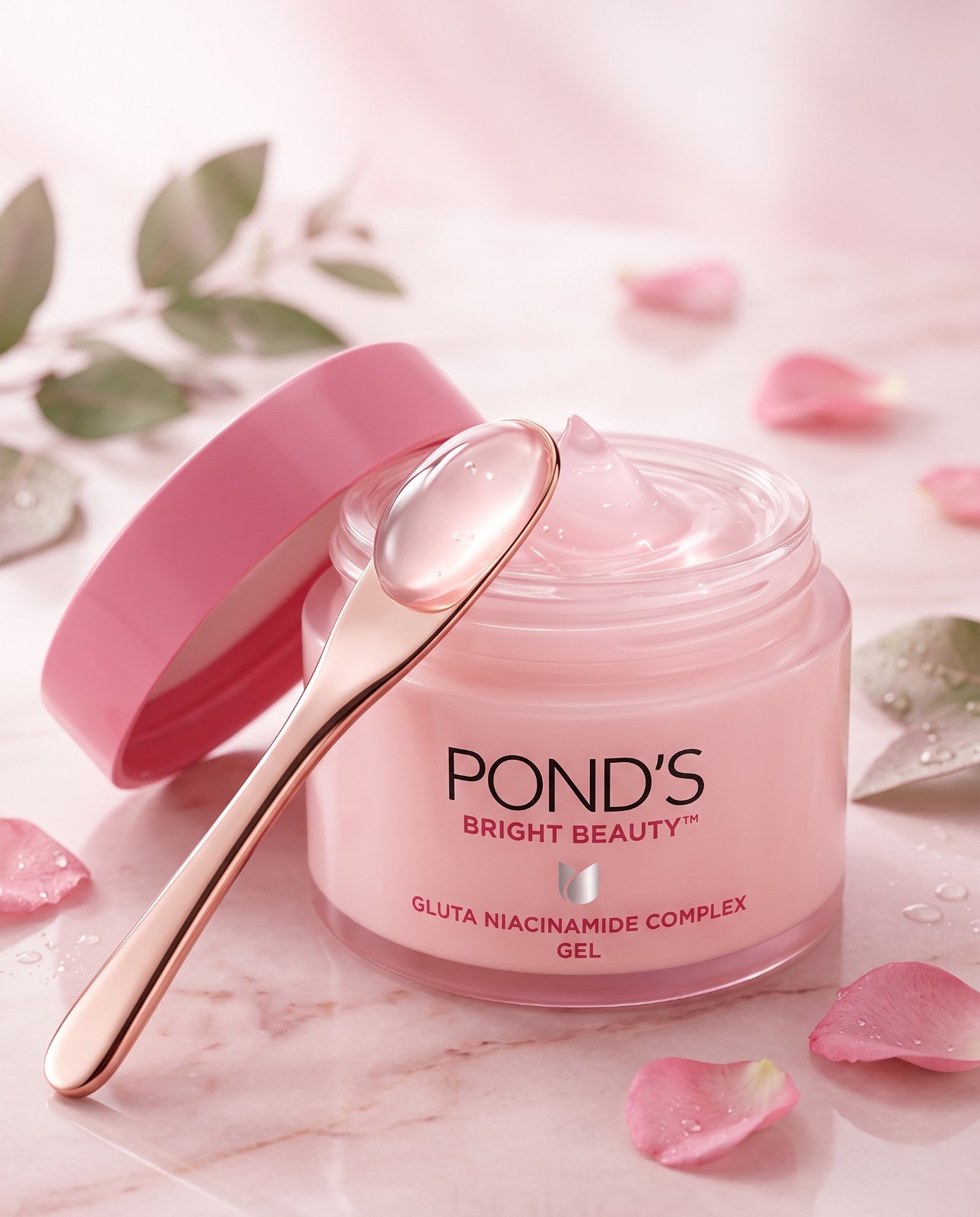
Prompt
Create an ultra-photorealistic macro product advertising photograph using the **supplied product reference as the primary and highest-priority visual reference**.
### PRODUCT CONSISTENCY LOCK — CRITICAL
Use the supplied original product image as the **exact product reference**.
Recreate the user's product with maximum visual consistency, preserving:
* Exact product shape, proportions and dimensions
* Exact packaging geometry
* Exact cap/lid/pump/nozzle/component design
* Exact label placement and orientation
* Exact logo, typography and visible wording
* Exact packaging colors, finishes and materials
* Exact transparency/translucency where applicable
* Exact product identity and recognizable visual details
**DO NOT redesign, simplify, replace or reinterpret the product.**
Do not invent packaging components, change the container shape, alter the branding, remove readable text, add fake text, change the product color, or substitute the product with a similar-looking item.
The final product must look like a **real professionally photographed physical product**, with believable material properties, realistic seams, subtle surface texture, natural reflections, accurate highlights, realistic contact shadows and physically plausible geometry.
### PRODUCT-ADAPTIVE SCENE — IMPORTANT
Build the entire scene around the **actual supplied product and its specific visual identity**.
Analyze the product's:
* Product category
* Color palette
* Packaging material
* Brand aesthetic
* Product purpose
* Texture/form
* Key ingredients or visual associations if clearly apparent
* Luxury/minimal/playful/natural/clinical/fresh aesthetic
* Dominant colors and secondary accent colors
Then create **relevant premium props, environment, background, lighting accents and visual elements that naturally belong to THIS product**.
Do NOT reuse a fixed purple/pink skincare theme.
For example:
* A floral product → use elegant botanical elements and petals
* A citrus product → use fresh citrus slices, droplets and bright natural tones
* A luxury perfume → use sophisticated glass, fabric, reflections and premium atmospheric elements
* A chocolate product → use rich cocoa, chocolate textures and warm tones
* A green/natural skincare product → use botanical leaves, water droplets and fresh organic elements
* A blue/aqua product → use clean aquatic elements, glass and cool translucent highlights
**The theme must be generated from the supplied product itself.**
### HERO PRODUCT INTERACTION
Create a visually compelling macro interaction that is **appropriate to the actual product**.
If the product contains a visible cream, gel, serum, balm, mask or other spreadable/liquid texture, show the texture being naturally lifted, dispensed, poured or interacted with using an appropriate cosmetic tool.
If the product is solid, boxed, bottled, sprayed or otherwise unsuitable for a texture-lifting shot, create a physically appropriate interaction instead.
The interaction must always make sense for the actual product.
Texture must have realistic physical properties:
* Correct viscosity
* Natural surface tension
* Realistic thickness
* Believable gloss
* Subtle micro-details
* Natural reflections
* Physically accurate stretching or flow where applicable
Avoid exaggerated slime, artificial liquid effects or unrealistic CGI appearance.
### COMPOSITION
Vertical **4:5 premium commercial advertising composition**.
The hero product should occupy the visual focus while remaining completely recognizable.
Use an elegant macro composition with:
* Strong visual hierarchy
* Product prominently positioned
* Supporting props naturally framing the product
* Relevant negative space
* Cinematic depth
* Sophisticated foreground/background layering
Any tool, hand, ingredient, prop or secondary element must guide the eye toward the hero product rather than compete with it.
Keep important branding and product details visible whenever possible.
### BACKGROUND
Create a premium studio environment specifically designed around the **actual product's colors and aesthetic**.
Use:
* Product-matched tones
* Soft gradients
* Relevant environmental elements
* Tasteful translucent or reflective surfaces where appropriate
* Subtle architectural or abstract highlights
* Natural depth and atmospheric separation
Keep secondary elements softly defocused so the product remains the hero.
### LIGHTING
Use premium commercial studio lighting tailored to the product.
Large diffused key light from an aesthetically appropriate direction, with:
* Controlled specular highlights
* Soft ambient fill
* Subtle rim/edge lighting
* Realistic material reflections
* Gentle contact shadows
* Natural falloff
* Premium dimensionality
Lighting color and intensity must complement the product's actual packaging and theme.
Avoid harsh clipping, flat illumination, excessive glow or artificial CGI lighting.
### CAMERA LOOK
Professional **100mm macro-lens aesthetic**, ultra-realistic commercial beauty photography.
Very shallow depth of field with carefully controlled focus.
Use enough focus stacking to retain convincing detail on the hero product's critical areas while preserving natural optical falloff in the foreground and background.
Realistic lens behavior, realistic bokeh, subtle optical imperfections and authentic photographic depth.
### REALISM LOCK
The final image must look like it was captured by a **high-end professional commercial photographer**, not generated as CGI.
Prioritize:
* Photorealistic materials
* Accurate product geometry
* Physically correct reflections
* Natural shadows
* Realistic translucency
* Authentic surface imperfections
* Believable textures
* Correct perspective
* Natural depth of field
* Premium editorial beauty-photography quality
No plastic-looking CGI, no warped packaging, no distorted labels, no fake typography, no floating objects, no impossible physics, no excessive sharpening and no artificial oversaturation.
### FINAL OUTPUT
**1080 × 1350 px**
**4:5 vertical**
**Ultra-photorealistic premium commercial product photography**
**Macro beauty/editorial advertising aesthetic**
**MOST IMPORTANT RULE:**
The uploaded product always takes priority. The **product itself determines the colors, theme, props, environment, interaction, lighting mood and visual storytelling**. Do not force the product into a predefined scene. Instead, design the scene around the exact product supplied.
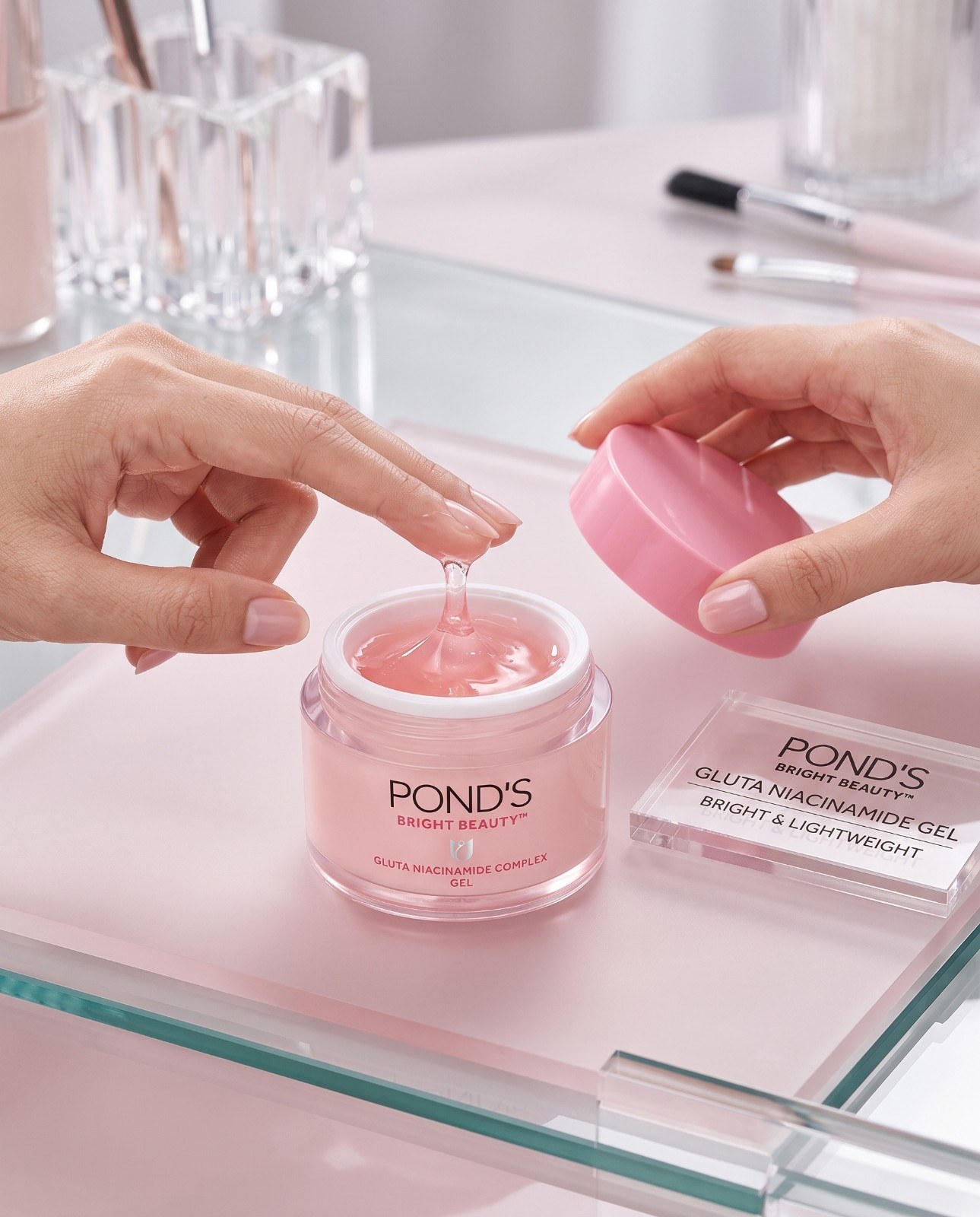
Prompt
Create an ultra-photorealistic luxury product application photograph using the **supplied product reference as the primary and highest-priority visual reference**.
### PRODUCT CONSISTENCY LOCK — CRITICAL
Use the supplied original product image as the **exact product reference**.
Recreate the user's product with maximum visual consistency, preserving:
* Exact product shape, proportions and dimensions
* Exact packaging geometry
* Exact lid, cap, pump, nozzle or applicator design
* Exact label placement and orientation
* Exact logo and visible typography
* Exact readable product information
* Exact colors, finish and material
* Exact transparency/translucency where applicable
* Exact recognizable brand and packaging details
Preserve the physical dimensions and construction of the original product.
**DO NOT redesign, replace, simplify or reinterpret the product.**
Do not invent a different container, change the packaging shape, alter the branding, remove important text, add fake text, change the product color, or turn the product into another product category.
The product must look like a **real physical product photographed professionally**, with realistic material properties, subtle surface texture, accurate seams, natural reflections, believable highlights and realistic contact shadows.
### PRODUCT-ADAPTIVE APPLICATION SCENE
Create an elegant luxury product-use/application scene using the **actual supplied product**.
Two elegant, natural human hands interact with the product in a way that is **physically and contextually appropriate for the specific product**.
The interaction must automatically adapt to the product:
* If it is a cream, balm, gel or mask → naturally scoop, apply or lift the texture
* If it is a serum or liquid → naturally dispense or apply a small amount
* If it is a spray → show a realistic spraying/application gesture
* If it is a perfume → show an elegant hand holding or applying the fragrance
* If it is a lotion or cosmetic → show an appropriate application gesture
* If it is a solid product → show a realistic pickup, opening or application interaction
* If it is a bottle/tube/container → use the correct opening, dispensing or application method
**Never force an interaction that does not make sense for the supplied product.**
The hands should interact naturally with the actual packaging and demonstrate how the product would realistically be used.
### HAND & SKIN REALISM
Hands should appear elegant, refined and naturally positioned around the hero product.
Include:
* Anatomically correct fingers
* Correct finger proportions
* Natural joints and knuckles
* Realistic nail beds
* Clean, well-groomed nails
* Natural skin pores
* Fine lines and subtle tonal variation
* Realistic skin texture
* Natural highlights and shadows
Nail color and styling should complement the **actual product's color palette and aesthetic**.
Avoid overly airbrushed skin, plastic-looking hands, unnatural fingers or excessive beauty retouching.
### PRODUCT TEXTURE — ADAPT TO THE PRODUCT
If the product has a visible texture, reproduce it with **physically accurate material behavior**.
Examples:
Cream → smooth, dense and soft
Gel → glossy, translucent and elastic
Serum → fluid and lightweight
Oil → reflective and flowing
Balm → rich and cushiony
Lotion → creamy and smooth
Powder → fine and natural
Foam → airy and lightweight
The texture must match the actual product.
No exaggerated slime, artificial stretching or unrealistic liquid behavior.
### COMPOSITION
Vertical **4:5 premium beauty campaign composition**.
Place the hero product in the lower-central or central visual area while keeping the branding and important product details visible.
The hands should naturally frame the product without covering:
* Logo
* Brand name
* Important label information
* Key packaging details
Use the hand position, applicator and product interaction to create a clean visual flow through the frame.
Maintain realistic physical support and believable grip.
### ENVIRONMENT & THEME — PRODUCT DEPENDENT
Create the entire environment based on the **visual identity of the supplied product**.
Analyze the product's:
* Dominant colors
* Packaging material
* Product category
* Brand personality
* Luxury level
* Texture
* Ingredients or visual associations when clearly recognizable
* Natural, modern, clinical, feminine, masculine, minimal, premium or playful character
Then create a matching environment.
For example:
**Floral product:** elegant petals, botanical details and soft organic styling.
**Citrus/fresh product:** fresh fruit accents, clean surfaces and refreshing light.
**Luxury perfume:** sophisticated fabric, glass reflections, elegant atmospheric elements.
**Natural skincare:** leaves, botanical elements, stone, water or organic textures.
**Minimal luxury product:** refined architectural surfaces, subtle gradients and controlled props.
**Colorful/playful product:** tasteful product-matched colorful elements and contemporary styling.
These are examples only. **Do not automatically use these elements.**
The actual supplied product must determine the final visual theme.
### BACKGROUND
Use a premium studio or vanity-style environment that complements the product.
Match the background colors and materials to the product's own visual identity.
Keep secondary objects softly blurred and visually subordinate.
Avoid generic backgrounds that conflict with the product.
### LIGHTING
Use sophisticated commercial beauty lighting designed specifically for the supplied product.
Soft diffused key light from an appropriate direction, gentle fill light, realistic reflections and subtle edge lighting.
Adapt the lighting temperature to the product:
* Warm products → refined warm highlights
* Cool products → clean cool highlights
* Natural products → soft organic daylight
* Luxury products → controlled cinematic highlights
Maintain realistic shadows and natural dimensionality.
Avoid harsh clipping, excessive glow or artificial CGI lighting.
### CAMERA LOOK
Professional **85–100mm close-product portrait lens aesthetic**.
Shallow depth of field with precise focus on:
1. Hero product
2. Important packaging details
3. Fingers interacting with the product
4. Product texture/application area
Allow the background to naturally fall away with realistic optical bokeh.
### REALISM LOCK
The final photograph must look like a **real luxury beauty campaign captured by a professional commercial photographer**.
Prioritize:
* Anatomically correct hands
* Realistic grip and interaction
* Accurate product geometry
* Correct perspective
* Realistic materials
* Natural skin texture
* Physically accurate product texture
* Believable shadows
* Authentic reflections
* Natural depth of field
* Premium editorial photography quality
No extra fingers, fused fingers, distorted hands, warped packaging, floating objects, fake labels, impossible grips, plastic skin, CGI appearance or unrealistic product physics.
### OUTPUT
**1080 × 1350 px**
**4:5 vertical**
**Ultra-photorealistic luxury product application photography**
**Premium beauty campaign aesthetic**
### FINAL PRIORITY RULE
**The supplied product always comes first.**
Do not force the product into a predefined pink, purple, skincare, floral or vanity theme.
Instead, **study the uploaded product and automatically build the hands, application method, texture treatment, props, background, colors, lighting and overall art direction around that specific product and its own visual identity.**
The result should feel like a **custom-made advertising campaign created specifically for the uploaded product**.
Prompt
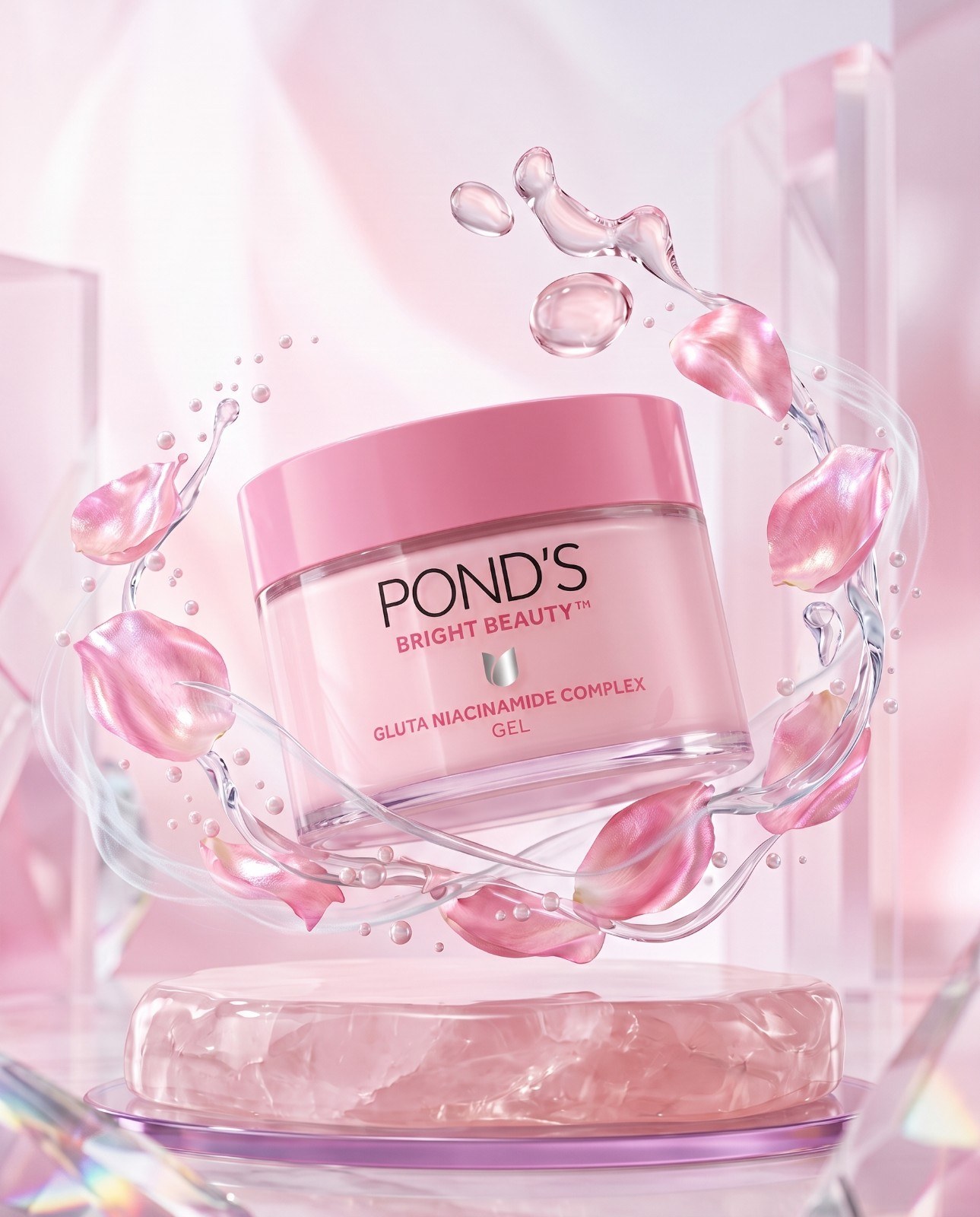
Create an ultra-photorealistic **dynamic luxury product advertising image** using the supplied product reference.
### PRODUCT CONSISTENCY LOCK — HIGHEST PRIORITY
Use the supplied original product image as the **primary and exact product reference**.
Recreate the supplied product with maximum visual consistency, preserving:
* Exact product shape and proportions
* Exact physical dimensions
* Exact packaging geometry
* Exact cap, lid, pump, nozzle or closure
* Exact label placement and orientation
* Exact logo and visible typography
* Exact readable product information
* Exact colors and finishes
* Exact material properties
* Exact transparency/translucency where applicable
**DO NOT redesign, replace, simplify or reinterpret the product.**
Do not change the packaging color, invent components, alter the logo, remove important text, add fake text, distort the label or transform the product into another product.
The product must look like a **real physical product photographed in a professional commercial studio**, with accurate materials, realistic seams, natural reflections, subtle surface texture and believable contact shadows.
### DYNAMIC PRODUCT-CENTERED SCENE
Place the **exact supplied product** as the hero subject in a dramatic, premium advertising composition.
Create a dynamic visual effect around the product that is **appropriate to the actual product and its category**.
The effect may include, when physically appropriate:
* Liquid splash
* Water droplets
* Cream or gel movement
* Powder particles
* Mist
* Smoke
* Floating ingredients
* Botanical elements
* Fabric movement
* Fragrance-like atmospheric trails
* Crystalline or translucent elements
* Product-relevant particles or materials
**Do not automatically use a liquid splash.**
The visual effect must be selected according to what naturally represents the supplied product.
For example, a liquid skincare product may use realistic liquid movement, while a perfume may use elegant mist or atmospheric trails, and a solid product may use floating particles or relevant physical materials.
### PRODUCT POSITION
Keep the hero product:
* Stable
* Physically grounded
* Clearly visible
* Correctly proportioned
* Facing the camera at an attractive angle
* Fully recognizable
* Free from distortion
The main visual effect may surround or move behind the product, but **must never hide, warp or distort the logo, label or important product information**.
If a transparent acrylic, glass, stone or other platform is appropriate to the product, use it naturally to create realistic reflections and elevation.
### PRODUCT-ADAPTIVE VISUAL THEME
Build the entire art direction around the **actual supplied product**.
Analyze:
* Product category
* Packaging colors
* Brand identity
* Material
* Shape
* Finish
* Texture
* Intended use
* Luxury level
* Natural/modern/playful/minimal/clinical aesthetic
* Recognizable ingredients or associations
Then automatically select:
**Background + props + dynamic effect + lighting mood + color palette + surface material + atmosphere**
to match the product.
### THEME EXAMPLES — NOT FIXED
These are only examples of how the system should adapt:
**Fresh/Aqua product:** realistic water splash, droplets, glass and cool atmospheric elements.
**Floral product:** petals, botanical movement, soft natural particles and elegant organic styling.
**Luxury fragrance:** sophisticated mist, fabric movement, reflective surfaces and cinematic atmosphere.
**Natural skincare:** leaves, botanical ingredients, water droplets, stone or organic textures.
**Food/beverage product:** realistic ingredients, liquid movement, crumbs, fruit or product-specific elements.
**Minimal luxury product:** clean architectural platform, controlled reflections and subtle abstract motion.
**Colorful/playful product:** tasteful product-matched shapes, particles or playful physical elements.
Do not copy these examples literally. **The uploaded product determines the final concept.**
### DYNAMIC EFFECT REALISM
If using liquid, water, cream, gel or another fluid effect:
Create physically believable motion with:
* Natural splash arcs
* Realistic droplets
* Correct gravity
* Surface tension
* Different droplet sizes
* Natural breakup patterns
* Accurate reflections
* Realistic transparency
* Correct refraction
* Believable interaction with the environment
If using particles, powder, mist, fabric or botanical elements, make their movement and physical behavior equally realistic.
The effect should look like a **real high-speed commercial photograph captured at the perfect moment**, never like CGI.
### COMPOSITION
Vertical **4:5 premium advertising composition**.
Place the product centrally or in the strongest visual position.
Create a dynamic visual flow around the hero product while maintaining a clean commercial hierarchy.
The dynamic elements should:
* Frame the product
* Lead the eye toward the product
* Add energy
* Enhance the product's identity
* Never overpower the packaging
Maintain enough negative space for a premium editorial feel.
### BACKGROUND
Create a sophisticated studio background specifically matched to the supplied product.
Use product-derived colors and materials rather than a fixed color scheme.
Possible elements include:
* Soft gradients
* Translucent surfaces
* Acrylic or glass
* Subtle architectural forms
* Product-relevant ingredients
* Abstract reflections
* Soft atmospheric depth
Keep the background controlled and slightly defocused so the product silhouette remains instantly recognizable.
### LIGHTING
Use premium commercial product photography lighting tailored to the product.
Use:
* Large soft key light
* Controlled fill
* Subtle rim light
* Precise highlights
* Realistic reflections
* Natural contact shadows
* Controlled contrast
* Beautiful dimensional separation
Lighting color should complement the **actual product's own palette and material**.
### CAMERA LOOK
High-end commercial product photography.
Approximately **70–100mm professional lens aesthetic**, fast-shutter appearance for dynamic elements, sharp hero-product focus and controlled depth of field.
Freeze moving droplets, particles or materials with crisp realistic detail while preserving natural optical falloff.
Authentic lens behavior and premium photographic depth.
### REALISM LOCK
The final image must look like a **real luxury advertising photograph captured by a professional commercial photographer**.
Prioritize:
* Accurate product geometry
* Realistic packaging
* Physically believable motion
* Natural reflections
* Accurate refraction
* Realistic shadows
* Correct perspective
* Authentic materials
* Real photographic depth
* Premium commercial lighting
Avoid:
* CGI appearance
* Floating product
* Warped packaging
* Distorted label
* Fake typography
* Impossible liquid physics
* Excessive glow
* Unrealistic reflections
* Over-saturated colors
* Artificial 3D-rendered appearance
### OUTPUT
**1080 × 1350 px**
**4:5 vertical**
**Ultra-photorealistic**
**Premium luxury product advertising hero image**
### FINAL ADAPTATION RULE
**DO NOT FORCE THE SUPPLIED PRODUCT INTO A PREDEFINED CONCEPT.**
The uploaded product is the source of truth.
Automatically determine the **dynamic effect, props, background, colors, materials, lighting, atmosphere and visual storytelling** from the actual product.
The final result should look like a **custom premium advertising campaign designed specifically for the uploaded product**, while maintaining the exact original product identity and packaging.
Prompt
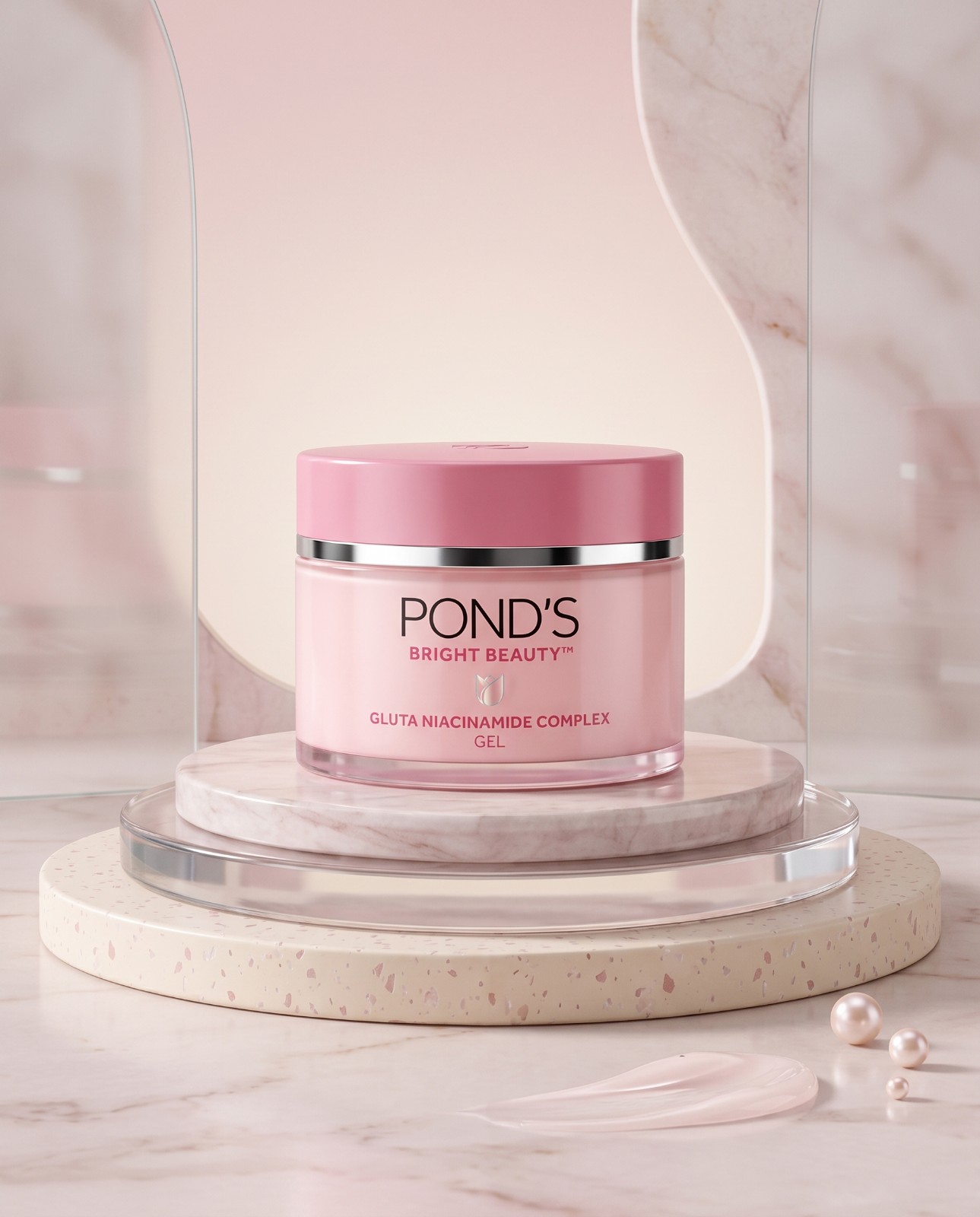
Create an ultra-photorealistic **premium product campaign photograph** using the supplied product reference.
### PRODUCT CONSISTENCY LOCK — HIGHEST PRIORITY
Use the supplied original product image as the **primary, exact and highest-priority product reference**.
Recreate the exact supplied product with maximum visual consistency, preserving:
* Exact product shape and proportions
* Exact physical dimensions
* Exact packaging geometry
* Exact cap, lid, pump, nozzle or closure
* Exact label placement and orientation
* Exact logo and visible typography
* Exact readable product information
* Exact colors
* Exact surface finish
* Exact material properties
* Exact transparency or translucency where applicable
Preserve the original product's physical construction and recognizable identity.
**DO NOT redesign, replace, simplify or reinterpret the product.**
Do not change the packaging color, alter the logo, invent packaging components, remove important label information, add fake text, distort typography or transform the product into another product.
The final product must look like a **real physical product photographed professionally**, with accurate geometry, realistic materials, natural reflections, subtle surface texture, realistic seams and believable contact shadows.
### SCENE — PRODUCT-CENTERED ARCHITECTURAL CAMPAIGN
Place the exact supplied product upright as the **hero subject** on a premium architectural pedestal or display surface.
Create a sophisticated layered composition using:
* One primary pedestal or platform
* One optional lower circular/geometric platform
* Subtle foreground elements
* Elegant product-relevant props
The pedestal shape, material and color must be **adapted to the actual product**.
Do not automatically use lilac, pink or cylindrical platforms.
For example, depending on the product, the display may use:
* Matte stone
* Polished acrylic
* Frosted glass
* Marble
* Ceramic
* Brushed metal
* Natural wood
* Glossy resin
* Minimal sculptural surfaces
Choose whichever material best complements the supplied product.
### PRODUCT-ADAPTIVE STYLING
Build the complete campaign around the **actual visual identity of the supplied product**.
Analyze:
* Product category
* Packaging color
* Packaging material
* Brand personality
* Product finish
* Luxury level
* Texture
* Intended use
* Natural, clinical, modern, playful, premium or minimal aesthetic
Then automatically determine the:
**pedestal + background + props + surface + color palette + lighting mood + composition**
The product itself should control the art direction.
### FOREGROUND DETAILS
Add a small amount of **product-relevant visual detail** in the lower foreground only when appropriate.
Examples:
* Product texture smear
* Cream or gel detail
* Ingredient element
* Botanical detail
* Water droplets
* Powder particles
* Fabric
* Fruit or natural ingredient
* Crystalline material
* Small decorative brand-relevant objects
These elements must feel naturally connected to the supplied product.
**Never add random props simply to fill space.**
If the product has no suitable texture or ingredient representation, keep the foreground clean and minimal.
### COMPOSITION
Vertical **4:5 premium commercial composition**.
Create a clean, sophisticated and visually balanced product portrait.
The hero product should occupy approximately the **central 30–40% of the frame**, depending on its actual dimensions.
Keep:
* Product perfectly stable
* Product clearly readable
* Front-facing or most commercially attractive angle
* Important branding unobstructed
* Strong visual hierarchy
* Generous negative space
The architectural platforms should create depth and hierarchy without competing with the product.
Use symmetry when it suits the product; otherwise use subtle asymmetry for a more editorial composition.
### BACKGROUND — ADAPT TO PRODUCT
Create a seamless premium studio background based on the product's own visual identity.
Use colors derived from the supplied product rather than a fixed pink/purple palette.
Possible treatments include:
* Soft monochromatic gradient
* Neutral luxury studio
* Product-matched color field
* Warm natural environment
* Cool modern environment
* Dark dramatic luxury setting
* Bright clinical beauty setting
* Organic botanical atmosphere
Add subtle architectural shapes, curved panels, translucent surfaces or abstract forms only when they complement the product.
Keep the background visually clean and softly separated from the hero product.
### PROPS — MINIMAL AND PRODUCT RELEVANT
Use only a few carefully selected props that strengthen the product story.
Props must match the product's:
* Color palette
* Material
* Category
* Brand aesthetic
* Intended use
Do not use generic decorative objects.
Every secondary element should support the hero product rather than distract from it.
### LIGHTING
Use high-end commercial product photography lighting tailored specifically to the supplied product.
Use:
* Large soft directional key light
* Gentle fill
* Controlled rear rim light
* Subtle edge highlights
* Natural contact shadows
* Realistic surface reflections
* Controlled contrast
Adapt the lighting to the product's material.
For example:
Glossy packaging → refined controlled specular highlights.
Matte packaging → soft gradients and subtle edge definition.
Glass → realistic refraction and reflections.
Metal → crisp but controlled highlights.
Transparent packaging → believable internal light transmission.
### CAMERA LOOK
Professional **85–100mm product photography lens aesthetic**.
Eye-level to slightly elevated camera position depending on the product shape.
Use controlled depth of field so:
* Product packaging remains exceptionally sharp
* Logo and important label details remain readable
* Foreground has subtle optical falloff
* Background gradually becomes soft
Natural photographic perspective with premium editorial depth.
### REALISM LOCK
The final image must look like a **real high-end commercial product photograph**, not a 3D render.
Prioritize:
* Exact product geometry
* Accurate packaging proportions
* Realistic material behavior
* Natural contact shadows
* Authentic reflections
* Physically correct transparency
* Realistic surface imperfections
* Natural perspective
* Believable pedestal contact
* Professional studio lighting
* Premium editorial polish
Avoid:
* Warped packaging
* Fake labels
* Incorrect typography
* Invented product details
* Floating objects
* Unrealistic reflections
* Excessive glow
* Plastic-looking surfaces
* Over-stylized CGI
* Random props
* Unnecessary visual clutter
### OUTPUT
**1080 × 1350 px**
**4:5 vertical**
**Ultra-photorealistic**
**High-end commercial product campaign photography**
**Clean, sophisticated and premium editorial aesthetic**
### FINAL ADAPTATION RULE — MOST IMPORTANT
**Do not force the supplied product into the example's pink/lilac skincare theme.**
The uploaded product is the source of truth.
Automatically adapt the **pedestal design, materials, background, colors, props, texture details, lighting, atmosphere and overall art direction** to the specific product being supplied.
The final image should feel like a **custom luxury advertising campaign created specifically for that exact product**, while maintaining 100% visual priority on the original product identity and packaging.